

Ofsted has announced a series of webinars and regional events for FE providers to quell fears about the pace of its reforms.
The watchdog has faced growing criticism over the short timeline for implementation of its new report cards and inspection framework.
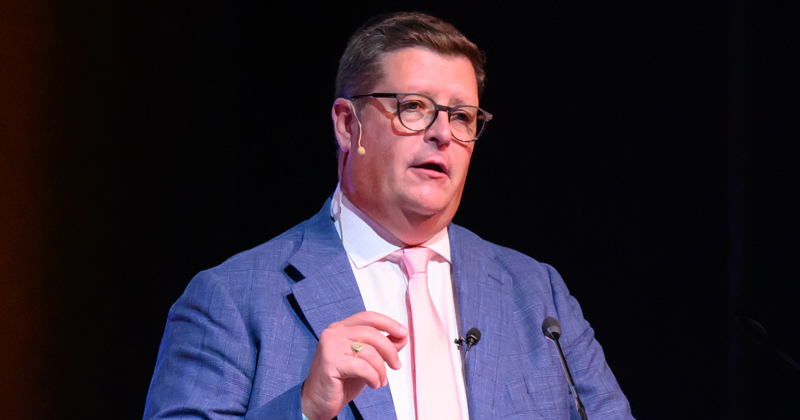
Chief inspector Sir Martyn Oliver was also recently reprimanded by the education secretary Bridget Phillipson after announcing Ofsted would not confirm its final plans this academic year after all, pushing the announcement back to September.
This gives FE providers, schools and inspectors a matter of weeks to prepare for the new inspections when they resume in November.
In response, the inspectorate has announced a “full programme of sector engagement to be launched in September”.
Oliver said: “I know there are some concerns about the timeline for these changes, that’s why we are planning such a comprehensive programme.
“I have every confidence that our approach will support a successful roll-out of new-look inspections in November.”
Regional events planned
The programme of webinars and regional events “will continue throughout the autumn term, offering providers a range of opportunities to familiarise themselves with the changes ahead of inspections under the renewed framework beginning in November”, Ofsted added.
Different types of providers will get their own live webinars, with a full programme available online, and recordings due to be made available on YouTube afterwards.
Ofsted announced that there will be webinars for specific FE and skills provision types including; 16 to 19 programmes, apprenticeships, adult learning programmes, and high needs provision.
The webinars will take place between September 22 to 29.
Ofsted will also hold “face-to-face and online regional events”, hosted by local providers, local authorities and partners.
These events will “help providers build on their understanding of the renewed framework, supported by published materials”.
Oliver said: “I want to reassure education providers that, through our national engagement programme and published materials, they will be able to familiarise themselves with the changes during the first part of the autumn term – while routine school and further education and skills inspections are on hold.
“Our Inspectors will all receive extensive training between now and November, and many will have had the experience of a full pilot inspection.”
Pepe Di’Iasio, general secretary of the Association of School and College Leaders, said: “Scrambling this programme together in order to try to allay the widespread concerns about the speed of implementing major changes to the inspection system is surely not the answer.
“The sensible thing would simply be to delay its introduction in order to give providers time to familiarise themselves and their staff with the new framework. The inspectorate and government must also reconsider the planned five-point grading scale which is a recipe for chaos.”









The shambles around launching a new inspection framework continues. Hopefully the DFE ask when training for Ofsted part-timers is scheduled and find it is late October. Really? How can you then be doing it for real a few weeks later. Are any of the HMI going to be ready to deliver it and lead inspections? Use common sense and put it back to a January start. Who cares if Ofsted lose face but at least they may get it right. As for the worry by schools about five grades we had it before and it can work well. As long as inspectors use it properly and if someone is inadequate grade accordingly.
One of the primary objectives of ‘The Big Listen’ was to explore how Ofsted might reduce pressure and the negative impact of inspections on the health and wellbeing of staff. What better way of adding yet more pressure to the sectors inspected by Ofsted than through multiple consultations, ambiguous messaging, indecision, delays, and hollow promises of ‘a full programme of sector engagement’. I wonder to what extent this emerging debacle dents Ofsted’s credibility, and that of the Chief Inspector?