

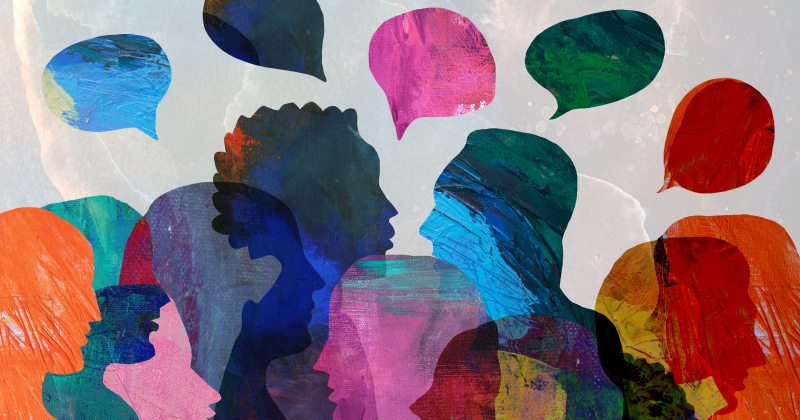
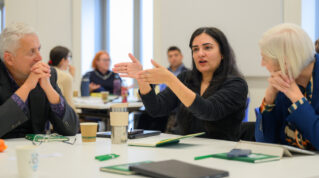
A recent HR training session featured a discussion about creating regular opportunities for staff to meet with you – and not just when they have a problem.
This made me reflect on my own leadership and how I can model a more inclusive culture.
As a head of department, I need to create time and space for meaningful and impactful connections with my team.
Inclusive leadership is about more than just good intentions. It’s about actively creating environments where people feel safe, respected, and truly part of the team.
A strong sense of team identity can drive collaboration and shared purpose. But inclusive leaders must also be mindful of individual needs and perspectives within the group.
Belonging to a team can be powerful. It builds unity, motivation and a shared sense of achievement.
However, inclusion also means recognising that each team member brings unique experiences and ways of thinking. Leaders need to create space where both team identity and individual authenticity are valued.
Team meetings should be more than just spaces for updates. They should be environments for safe and creative discussions.
But do all team members feel they can truly speak their mind? Or are some agreeing by default, staying quiet, or holding back out of fear of judgement?
To lead inclusively, we must consider whether:
- Everyone has a platform to share their authentic voice
- People feel comfortable to gently challenge ideas and be critical friends
- There is time for reflection before decisions are made
Psychological safety doesn’t happen by accident; it is developed through intentional leadership practices.
Offering thinking time before team discussions can boost inclusion. It allows individuals to reflect and form their ideas independently before group dynamics take over. This can prevent dominant voices from steering the conversation too early and ensures all perspectives are heard.
Leaders might ask:
- Have all ideas been considered from different lenses?
- Have we created multiple communication points for contributions, verbal, written, or one-on-one?
- Are we valuing quiet thought as much as loud contribution?
Creating a balance between individual thinking and team collaboration leads to better outcomes. When people feel safe to contribute their authentic perspectives, teams benefit from deeper insight, creativity and mutual respect.
It’s about actively creating environments where people feel safe, respected, and truly part of the team.
A strong sense of team identity can drive collaboration and shared purpose, but inclusive leaders must also be mindful of individual needs and perspectives within the group.
Ultimately, inclusive leadership is an ongoing practice. It requires curiosity, humility, and a willingness to slow down and truly listen.
As I continue to shape the culture within my department, I want to create not just meetings, but moments for meaningful connection, reflection and growth. My hope is that every team member feels valued not only for what they do, but for who they are.
My intent is to create opportunities for open conversations, invite perspectives that challenge my own, and hold space for honest, authentic dialogue around questions such as: How can we ensure quieter voices or different communication styles are better represented in our conversations, and Is there anything in our current ways of working that makes it harder for people to share ideas?
Inclusive leadership is about ensuring everyone has the confidence and space to speak, be heard, and make an impact.











Your thoughts