
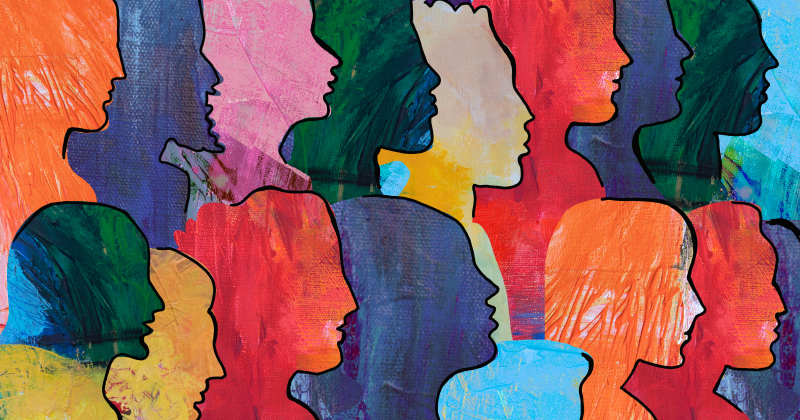
The electrical, plumbing and mechanical trades keep the UK running, powering our homes, businesses and essential infrastructure. Yet the sector faces a twin challenge: meeting growing demand for skilled tradespeople and ensuring the workforce better reflects the diversity of modern Britain.
Women currently make up just 2.4 per cent of the electrical and under two percent of the plumbing workforce. In the wider construction workforce, 15 per cent of professionals are women but fewer than 5 per cent are in on-site roles. Other groups, including ethnic minorities and people with disabilities, continue to encounter barriers. If we are to build a sustainable future, the trades must become more inclusive.
The diversity gap
Attracting a broader range of talent is not just about fairness. It is about the creativity, innovation and problem-solving that come from diverse teams. The challenges facing our sector, from net-zero targets to digitalisation and an expanding infrastructure pipeline, won’t be solved without new perspectives.
A lack of gender diversity limits the sector’s long-term resilience. Employers miss out on a huge pool of talent without women in these industries, at a time when demand for skilled labour is higher than ever. Broadening access is not optional; it is essential for growth.
Many of the obstacles appear long before starting an apprenticeship. Outdated stereotypes of ‘male-dominated’ trades still shape perceptions in schools. Young people who could excel in these roles are often discouraged before they even begin. Later, in the workplace, women and others who break through find themselves without visible role models or clear pathways for progression.
Representation and role models
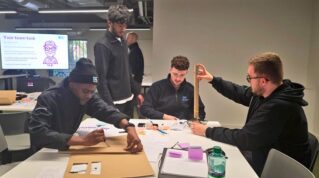
At JTL, we have seen how powerful representation can be. When apprentices are taught and mentored by people who share similar experiences, it helps them imagine their future in the trades. Across our 16-strong network of specialist training centres, a growing number of female teaching staff are already helping to shift perceptions. One of JTL’s delivery team managers, Dulcie Sanders, is developing a female support network to bring apprentices and staff together. Through mentoring, guest speakers and networking events, the initiative aims to build confidence, create connections and strengthen retention.
Encouraging signs of progress
Although our apprentice gender balance still mirrors that of the wider industry, there are positive signs of change. Outcomes for women training with us are improving; our qualification achievement rates (QAR) for women are 2 per cent higher than the national female average. We also see improving female representation at industry competitions like SkillELECTRIC and SPARKS Learner of the Year. These initiatives challenge misconceptions, promote talent and increase confidence so we proudly put forward our apprentices year after year.
We’re proud of the progress being made at JTL. Our recent National Apprentice Awards saw a female Apprentice of the Year, Stephanie Hitch, take home one of the top accolades. We also saw female training staff recognised in our tutor and training officer categories, and employers with diverse teams taking home Employer of the Year across our five regions. But there is still work to do.
Providing tailored support and effective mentorship will be essential to sustain and strengthen these improvements, and small practical steps like inclusive recruitment materials and structured workplace mentoring can make a real difference.
Looking ahead
The case for a more inclusive workforce is compelling. A sector that welcomes people from all backgrounds is stronger, more innovative and better prepared for the future. It will help us attract and retain the skilled professionals we need to deliver the homes, workplaces and infrastructure of tomorrow.
By challenging outdated perceptions, celebrating role models and providing visible support, we can help every apprentice see a place for themselves in the trades. The industry has powered Britain for generations and now it has the opportunity to represent it too – diverse, skilled and ready for the future.





Your thoughts