


Greater Lincolnshire’s decision to defund its ESOL provision, with limited exceptions for just two groups (Ukrainians and Hong Kongers), is shortsighted.
English for Speakers of Other Languages can be a lifeline for many, and is important for both community cohesion and skills development, so this decision risks weakening both.
The move stands in sharp contrast to the practice of other countries such as France and Denmark, where learning the language is expected, facilitated and subsidised for new residents.
Making it expensive and difficult to access serves no one, especially in England, where adult skills and ESOL provision have been underfunded for many years.
Upskilling UK citizens
Recent Home Office data shows that the number of people claiming asylum in the UK fell 4 per cent in 2025. However, a significant number of those needing English for integration or work are not asylum seekers but people who have been in the UK for many years.
According to the most recent census, of the one million adults in the UK who report not speaking English well or at all, over one-third are UK citizens.
While the government’s Immigration White Paper contains the promise to make the acquisition of English language easier for people already in the UK who don’t speak English well or at all, there are no proposals forthcoming from officials about this.
Within Lincolnshire itself, Boston and South Holland are two of the areas with the highest number of people with limited or no English proficiency in the whole country.
Implications for other regions
Will we see progressive policies elsewhere, or ESOL being defunded in other areas?
Ultimately, adults who have high English proficiency are three times more likely to be employed – so prioritising ESOL offers a good local investment, leading to better social cohesion and integration.
People who speak English well have a 78 per cent employment rate (almost the same as first-language English speakers) while those with low proficiency have a 35 per cent employment rate.
As recommended by the government, the dropping of the three-year waiting period to access adult courses has been helpful for other regions, enabling “people to become work ready” as one authority put it.
So, Greater Lincolnshire’s plans to reintroduce the three-year rule to access provision will simply delay learners’ ability to integrate, get a job and start contributing to the economy.
Although many people come to the UK with high-level professional skills, they often end up in lower-skilled roles, for example building work, driving taxis or cleaning.
If regions can develop and fund specialist language learning which is integrated into skills provision, learners with a high skills level can contribute more rapidly to the economy.
While we have already seen the beginnings of interesting practice in this area, we need to see more of it.
Literacy vs language
For those needing English language for daily life, Greater Lincolnshire’s proposed one “literacy qualification for all” is unlikely to be able to address their language learning needs.
Literacy and language learning are fundamentally different. The literacy curriculum has been designed to address the learning needs of first-language English students but does not address the distinct language learning needs of those who speak languages other than English.
Suggesting that learners acquire English language only through online, private or voluntary provision is unrealistic. Private provision is expensive, voluntary provision is limited, and online provision won’t suit everyone and is of variable quality.
The government needs to realise its promise to facilitate the integration of those already here in the UK with limited English, and integrate ESOL into skills provision to address labour market needs.
It needs to consider how to do this in the context of devolution and whether certain minimum entitlements should be met when devolving funds.
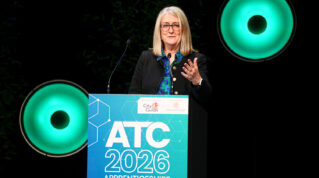
We were pleased to see skills minister Jacqui Smith indicating this week that she wants to look at how to ensure ESOL provision is “available everywhere”.
If we can get English language teaching right, there can be substantial benefits for society as a whole.









Your thoughts