

For two years after completing my A Levels at 18, I was not in education, employment or training (NEET).I became a member of a growing number of young people, now almost totalling one million.
The state of the job market wasn’t inspiring any confidence and the fact that employers required experience for entry-level minimum wage jobs only added to my anxiety.
I applied to all sort of jobs in the beginning. Mostly, I heard nothing back. When I did hear something back it was automated rejections. The lack of feedback combined with the fact that I wasn’t sure what a good CV looked like, much less how to write one, meant that I got discouraged.
Soft skills like confidence, communication and teamwork took a hit post-covid and dwindled further during those two years post-college. I began to doubt my ability to even do the thing that I was desperate to do – work.
The King’s Trust TK Maxx Youth Index 2025 found that young people who were NEET for longer than six months had worse overall wellbeing than those NEET for less than six months. Half of young NEETs do not feel in control of their future, compared to 39 per cent of their peers in education or employment; all of which I could relate to.
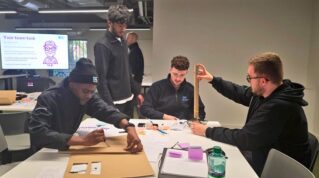
I knew that I was stuck and needed support, but I didn’t really know where to look. My turning-point arrived in October 2024 via an Instagram advert for The King’s Trust 12-week self-development programme – Team, delivered by Warwickshire College group in my home city of Birmingham.
I learnt on this programme that I’m capable of showing up every day, making connections with people and challenging myself. The programme offered me something to structure my days around and a reason to get out of the house regularly.
I was pushed outside my comfort zone by doing leadership activities and work experience. I took part in community projects and attended a residential where we did things like archery and orienteering. I received support to write my CV, interview skills training and even qualifications. Through doing all of this, my soft and social skills reignited.
The importance of such skills were also echoed in the Youth Index research; developing confidence (32 per cent), work experience opportunities (30 per cent), help with CV writing and interview skills (29 per cent) and training opportunities with employers which could lead to a job (28 per cent), were the most popular answers among NEET young people to help them move into work.
As my confidence regrew during my twelve weeks on Team, I began exploring my interests. I’d always had a love for theatre, music and film and a fascination with costumes and fashion. I started researching the skills and work experience I’d need to secure a role in the arts.
A couple of months after I finished, I joined a costume team at Crescent Theatre near where I live in Birmingham, helping with costumes and working on two productions. I also got onto a programme with Birmingham Rep (Young Rep Backstage) getting masterclasses and workshops about backstage careers.
My soft skills were more than just a boon, they were absolutely instrumental in me being offered these opportunities. The confidence that came from knowing I could make a good impression, work well in a team and communicate effectively were my biggest advantages in every environment I entered afterwards. I felt capable, connected to the wider community and more than anything, ready to act and continue taking action to secure employment in the arts.
I think too often, the challenges young people face, especially those who are NEET, are misunderstood. By and large, young people want to have secure, happy lives that offer independence through employment. This is echoed by The Youth Index, which states that two thirds of NEET young people say being in work would give them stability in life.
Almost a year on from completing Team, I’ve started a two-year running wardrobe apprenticeship with the Royal Shakespeare Company.
I urge educational organisations, politicians, philanthropists and business leaders to prioritise their support for initiatives that offer young people the opportunity to boost their soft skills. They are essential tools that will be transformational for many.





Your thoughts